Project 112 and SHAD: Chemical and Biological Tests on U.S. Troops
In the 1960s and early 1970s, the Pentagon's Deseret Test Center ran chemical and biological warfare vulnerability tests on land and at sea, known as Project 112 and Project SHAD. The VA says about 6,000 servicemembers were involved, and that the Defense Department began declassifying information on the tests only in 2000, at the VA's request.
Verdict: Confirmed. This one really happened. The core events are documented in the official records and reporting cited below. How we rate stories
The Story
Picture a Navy ship steaming straight into a cloud on purpose. That, according to a 2007 Institute of Medicine report, was a normal day in Project SHAD. The most common method was for aircraft to fly in front of the target ship and release material from spray tanks mounted on the wings. The ship would then steer through the cloud and record what happened. When planes weren't used, a turbine disseminator on the ship's bow did the job.
SHAD, short for Shipboard Hazard and Defense, was the seagoing half of a Cold War testing program. According to the Department of Veterans Affairs, the Defense Department's Deseret Test Center in Fort Douglas, Utah planned and conducted a series of biological and chemical warfare vulnerability tests, on land and at sea. The land tests, known as Project 112, studied how agents behave in different environments and climates. The ship tests studied how vulnerable U.S. warships were to chemical and biological attack, and how crews should respond.
"No clear evidence of specific health effects ... does not constitute clear evidence of a lack of health effects." (Institute of Medicine, 2007)
Some of what drifted over those decks was real. The VA lists the nerve agents sarin, VX, tabun and soman, and biological agents including Coxiella burnetii (the cause of Q fever) and Francisella tularensis (the cause of tularemia). The Institute of Medicine's table of tests reads like a spy-novel index: Flower Drum I used sarin, Fearless Johnny used VX, and Shady Grove used Coxiella burnetii and Pasteurella tularensis. Many other trials used simulants instead, such as the bacterium Bacillus globigii or zinc cadmium sulfide.
The VA says about 6,000 servicemembers were involved, mostly from the Navy and Army, and most of them in SHAD. For decades, the tests stayed classified. The VA says it was only in 2000, at the VA's request, that the Defense Department began declassifying and sharing information about possible exposures and the people involved. The VA says it now sends letters to participants once the Defense Department provides their names.
Did it make them sick? The Institute of Medicine's 2007 study found no difference in overall death rates between participants and nonparticipant controls, but participants had a statistically higher risk of death from heart disease. The report cautioned that it lacked data on cardiovascular risk factors and any explanation of biological plausibility. Its bottom line was carefully balanced: "we have found no clear evidence of specific health effects that are associated with Project SHAD participation," but "this does not constitute clear evidence of a lack of health effects."
Official sources even differ slightly on the dates. The VA's public health page says 1962 to 1973, while its benefits page says 1962 to 1974. What isn't in dispute is the core of the story. The U.S. military ran secret chemical and biological tests involving thousands of its own people, and it told them about it only decades later.
Origins
According to the U.S. Department of Veterans Affairs, the tests were planned and conducted by the Department of Defense's Deseret Test Center in Fort Douglas, Utah. The ship-based tests were called Project SHAD, short for Shipboard Hazard and Defense.
The Claims
- The military exposed its own troops and ships to chemical and biological agents in secret tests.
- Participants were not told for decades what they had been part of.
- The tests damaged the health of the men involved.
Key Evidence
- The VA says the Defense Department used agents including the biological warfare agents Coxiella burnetii, Francisella tularensis and staphylococcal enterotoxin B, and the nerve agents sarin, VX, tabun and soman.
- The VA: 'At VA's request in 2000, the Department of Defense began declassifying and sharing information with VA about possible exposure to warfare agents during the tests and people involved.'
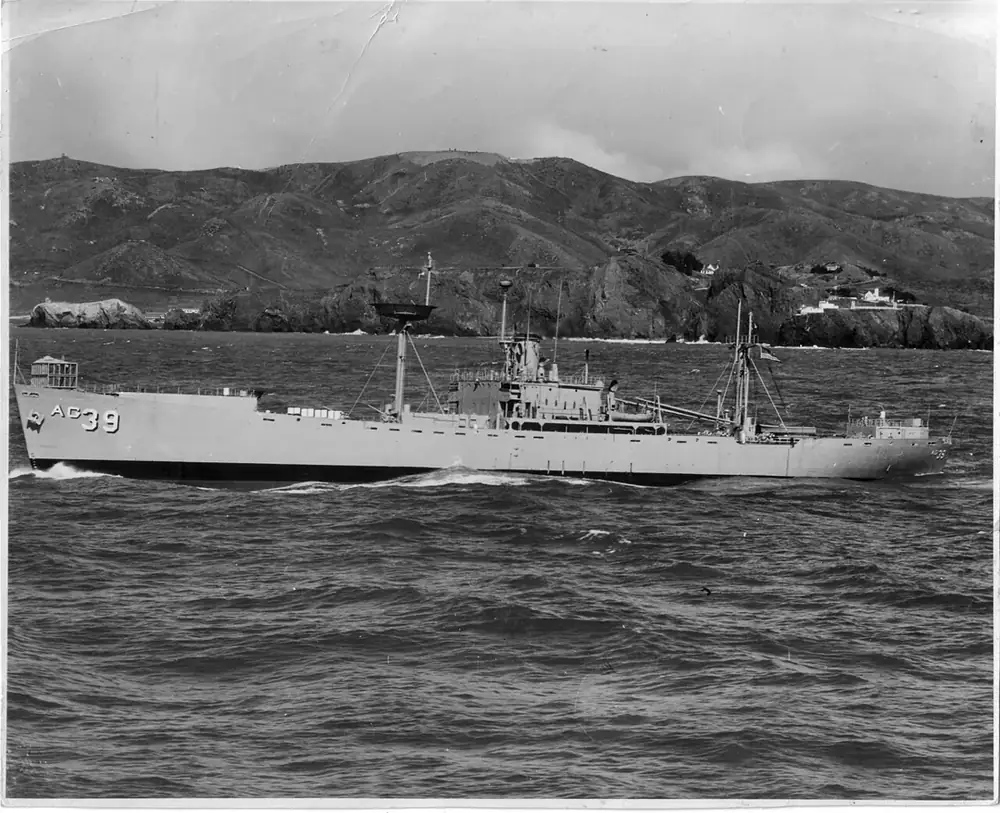
- A 2007 Institute of Medicine report lists SHAD tests including Flower Drum I (sarin) and Fearless Johnny (VX), both involving the USS George Eastman, and Shady Grove (Coxiella burnetii and Pasteurella tularensis), involving the USS Granville S. Hall.
The Evidence Against
- The tests themselves are confirmed by the VA and the Defense Department. Many SHAD tests used simulants (harmless stand-ins) rather than live agents.
- On health effects, the Institute of Medicine found 'no clear evidence of specific health effects that are associated with Project SHAD participation,' while warning that this 'does not constitute clear evidence of a lack of health effects.' It found no difference in overall death rates, but a statistically higher risk of death from heart disease, which it said lacked risk-factor data or a plausible biological explanation.
Documents & Sources
- Gov DocumentOfficial RecordProject 112 and Project SHAD (U.S. Department of Veterans Affairs, Public Health) publichealth.va.gov ↗
- Gov DocumentOfficial RecordProject 112/SHAD compensation (U.S. Department of Veterans Affairs, Benefits) benefits.va.gov ↗
- AcademicLong-Term Health Effects of Participation in Project SHAD, Chapter 3 (Institute of Medicine, 2007) nap.nationalacademies.org ↗
- AcademicLong-Term Health Effects of Participation in Project SHAD, Summary (Institute of Medicine, 2007) nap.nationalacademies.org ↗
Each link was checked for availability on Oct. 27, 2026. Links open in a new tab.