Operation Mongoose: The Secret War on Castro
After the Bay of Pigs failed, the Kennedy administration launched Operation Mongoose, a covert program of sabotage, propaganda and political action meant to remove Fidel Castro's government. The State Department's historians say it 'failed to achieve its most important goals' and was suspended during the Cuban Missile Crisis in October 1962.
Verdict: Confirmed. This one really happened. The core events are documented in the official records and reporting cited below. How we rate stories
The Story
In April 1961, a CIA-trained force of Cuban exiles landed at the Bay of Pigs and, in the words of the State Department's historians, was defeated within two days by Cuban forces under Fidel Castro's direct command. The Kennedy administration had been publicly humiliated. Its answer, decided that November, was to try again more quietly. The code name was Operation Mongoose.
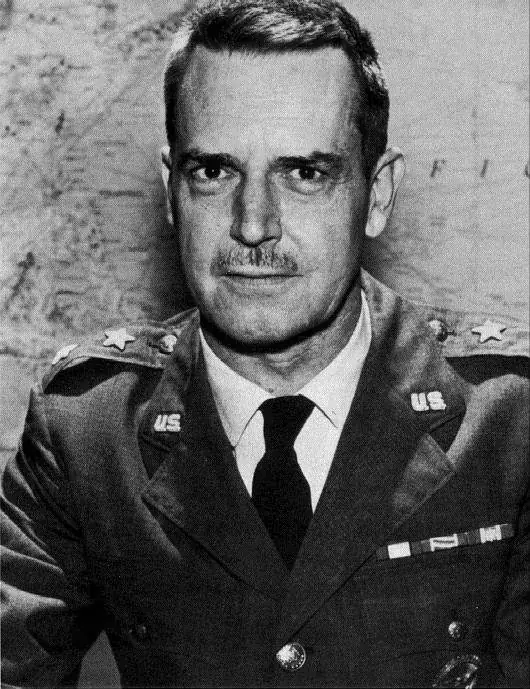
Brig. Gen. Edward Lansdale was put in charge as chief of operations, with oversight from a special group expanded to include Gen. Maxwell Taylor and Attorney General Robert Kennedy. Lansdale's January 18, 1962 program review, now published in the government's own Foreign Relations of the United States series, opens bluntly: "The U.S. objective is to help the Cubans overthrow the Communist regime from within Cuba and institute a new government with which the United States can live in peace."
"The effort must be imaginative and bold enough to consider a 'name' defector to be worth at least a million U.S. dollars." (Lansdale's Mongoose program review, January 1962)
The to-do list that followed has 32 numbered tasks, and some read like a thriller. The CIA had equipment on a small vessel to break into Havana TV broadcasts and planned to try it during a Castro speech. It was to plan the defection of top Cuban officials, and Lansdale wrote that the effort must be "bold enough to consider a 'name' defector to be worth at least a million U.S. dollars." It was to submit plans for "inducing failures in food crops in Cuba" and for disrupting Cuban nickel exports to the Soviet Union. The review also notes that the CIA "has initiated action to contaminate POL supplies for Cuba" (POL meaning petroleum, oil and lubricants). There was even a proposal to smuggle in morale-boosting packets modeled on the "I Shall Return" cigarette packets given to Philippine guerrillas in World War II.
Lansdale was also frank about his own side's limits. He wrote that the CIA had concluded its realistic role was to create "at least the illusion of a popular movement," which he called "far short of the Cuba Project's goals."
By August 1962, a State Department memo was naming the sugar industry and the Nicaro nickel plant as "high priority targets" for sabotage. In October, CIA officer William Harvey sent Lansdale a plan, now posted by the National Security Archive, that the archive says proposed attacks on Cuban ships and port facilities and examined mining Cuban harbors. The Office of the Historian adds that Lansdale's overall program included "proposed assassination attempts on key political leaders, including Castro."
It didn't work. According to the Office of the Historian, only some of the planned actions were carried out, the military intervention the plans built toward never happened, and Castro stayed in power. In October 1962 the administration suspended Mongoose, because something far more dangerous had turned up in Cuba: Soviet missiles.
Origins
According to the State Department's Office of the Historian, a policy review begun in May 1961 led that November to a decision to start a new covert program in Cuba, code-named Operation Mongoose. The planning papers are published in the official Foreign Relations of the United States (FRUS) series.
The Claims
- The U.S. government ran a secret campaign to overthrow Castro after the Bay of Pigs.
- It included sabotage and economic warfare against Cuba.
- Assassination of Castro was part of the plan.
Key Evidence
- Lansdale's program review of January 18, 1962 (FRUS, Vol. X, Doc. 291): 'The U.S. objective is to help the Cubans overthrow the Communist regime from within Cuba and institute a new government with which the United States can live in peace.'
- The same review tasks the CIA with plans for 'inducing failures in food crops in Cuba' and for disrupting 'the supply of Cuban nickel to the Soviet Union,' and records that the CIA 'has initiated action to contaminate POL [petroleum, oil and lubricants] supplies for Cuba.'
- An August 1962 State Department memo (FRUS Doc. 373) says disruption of 'the sugar industry' and 'the Nicaro nickel plant should, therefore, be among the high priority targets.'
- The Office of the Historian says Lansdale's program included 'proposed assassination attempts on key political leaders, including Castro.'
The Evidence Against
- This is a documented operation, not a theory. The Office of the Historian says only some of the planned actions were carried out in 1962, the planned military intervention never happened, and Castro stayed in power.
- The program was suspended in October 1962 when the discovery of Soviet missiles in Cuba created what the Office of the Historian calls the most dangerous U.S.-Soviet confrontation of the Cold War.
Documents & Sources
- Gov DocumentDeclassified DocumentProgram Review by the Chief of Operations, Operation Mongoose (Lansdale), Jan. 18, 1962 — FRUS 1961–63, Vol. X, Doc. 291 history.state.gov ↗
- Gov DocumentDeclassified DocumentMemorandum from Hurwitch to Lansdale, Aug. 13, 1962 — FRUS 1961–63, Vol. X, Doc. 373 history.state.gov ↗
- Gov DocumentThe Bay of Pigs Invasion and its Aftermath (Office of the Historian) history.state.gov ↗
- AcademicDeclassified DocumentCIA, William Harvey, Memorandum for Brig. Gen. Edward Lansdale, 'Operation MONGOOSE – Sabotage Actions,' Oct. 11, 1962 (National Security Archive) nsarchive.gwu.edu ↗
Each link was checked for availability on Oct. 27, 2026. Links open in a new tab.