The Mary Celeste: The Ghost Ship Found Adrift
In December 1872, the ship Mary Celeste was found sailing on its own in the Atlantic, with its cargo nearly intact and no one aboard. Theories have included mutiny, piracy, sea monsters and killer waterspouts. The crew's fate has never been established.
Verdict: Unproven. The sources below do not establish this claim. That is not the same as proving it false. How we rate stories
The Story
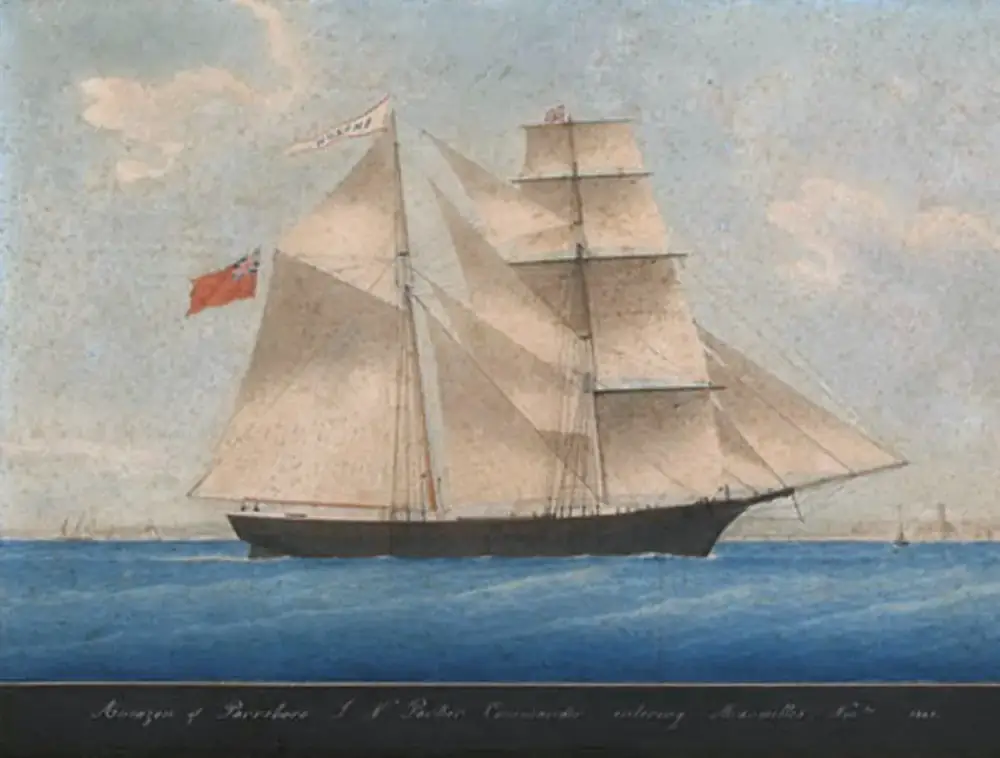
On 5 December 1872, the crew of the British ship Dei Gratia found a ship adrift about 400 miles east of the Azores, according to Smithsonian magazine. It was the Mary Celeste, which had left New York a month before, bound for Genoa with 1,701 barrels of alcohol. Captain Benjamin Briggs, his wife, their 2-year-old daughter and seven crew members were on board. When the Dei Gratia's sailors climbed aboard, no one was there.
The ship was seaworthy. There was three and a half feet of water in the ship's bottom, one of its two pumps had been taken apart, and the lifeboat was gone. The last log entry was from 5 a.m. on 25 November. Most of the cargo was intact, though 9 barrels, made of red oak rather than white oak, were empty.
The cargo was almost untouched, the lifeboat was gone, and the last log entry was ten days old.
At the inquiry, the attorney general in charge, Frederick Solly-Flood, suspected mischief, but after more than three months the court found no evidence of foul play. The salvagers received only one-sixth of the $46,000 for which the ship and cargo had been insured. In 1884, Arthur Conan Doyle published a short story based on the case that posited a capture by a vengeful ex-slave. Theories since have ranged from mutiny and piracy to sea monsters and killer waterspouts.
A more ordinary explanation has gained ground. Smithsonian reports that documentarian Anne MacGregor and Phil Richardson of the Woods Hole Oceanographic Institution concluded that Briggs was about 120 miles west of where he thought he was, probably because of an inaccurate chronometer. MacGregor suggested that coal dust and construction debris could have fouled the pumps, leaving Briggs unable to tell how much water the ship was taking on, and that he might have ordered everyone into the lifeboat within sight of the island of Santa Maria. No one aboard was ever found, and the explanation remains unconfirmed.
Origins
According to Smithsonian magazine, the Mary Celeste left New York on 7 November 1872 for Genoa with 10 people aboard, including Captain Benjamin Briggs, his wife and their 2-year-old daughter. On 5 December, the crew of the British ship Dei Gratia found it adrift about 400 miles east of the Azores.
The Claims
- The crew of the Dei Gratia murdered those aboard to claim salvage money.
- Mutineers or pirates killed the crew.
- A killer waterspout or other sudden danger drove the crew to abandon ship.
Key Evidence
- Smithsonian reports that the ship's only lifeboat was missing, that three and a half feet of water was in the ship's bottom, and that one of its two pumps had been disassembled.
- Smithsonian says the last log entry was dated 25 November, at 5 a.m. Of the 1,701 barrels of alcohol in the cargo, 9 were found empty.
The Evidence Against
- Smithsonian says the attorney general in charge of the inquiry, Frederick Solly-Flood, suspected mischief, but after more than three months the court found no evidence of foul play. The Dei Gratia's salvagers received only one-sixth of the $46,000 for which the ship and cargo had been insured, suggesting the authorities were not entirely convinced of their innocence.
- Fiction has added to the legend. Smithsonian notes that Arthur Conan Doyle's 1884 short story based on the case posited a capture by a vengeful ex-slave.
- Smithsonian reports that documentarian Anne MacGregor, working with Woods Hole oceanographer Phil Richardson, concluded that an inaccurate chronometer likely put Briggs off course, and MacGregor suggested that pumps fouled by coal dust and debris may have led him to abandon ship within sight of land.
Documents & Sources
- NewsAbandoned Ship: The Mary Celeste (Smithsonian magazine) smithsonianmag.com ↗
Each link was checked for availability on Oct. 27, 2026. Links open in a new tab.